
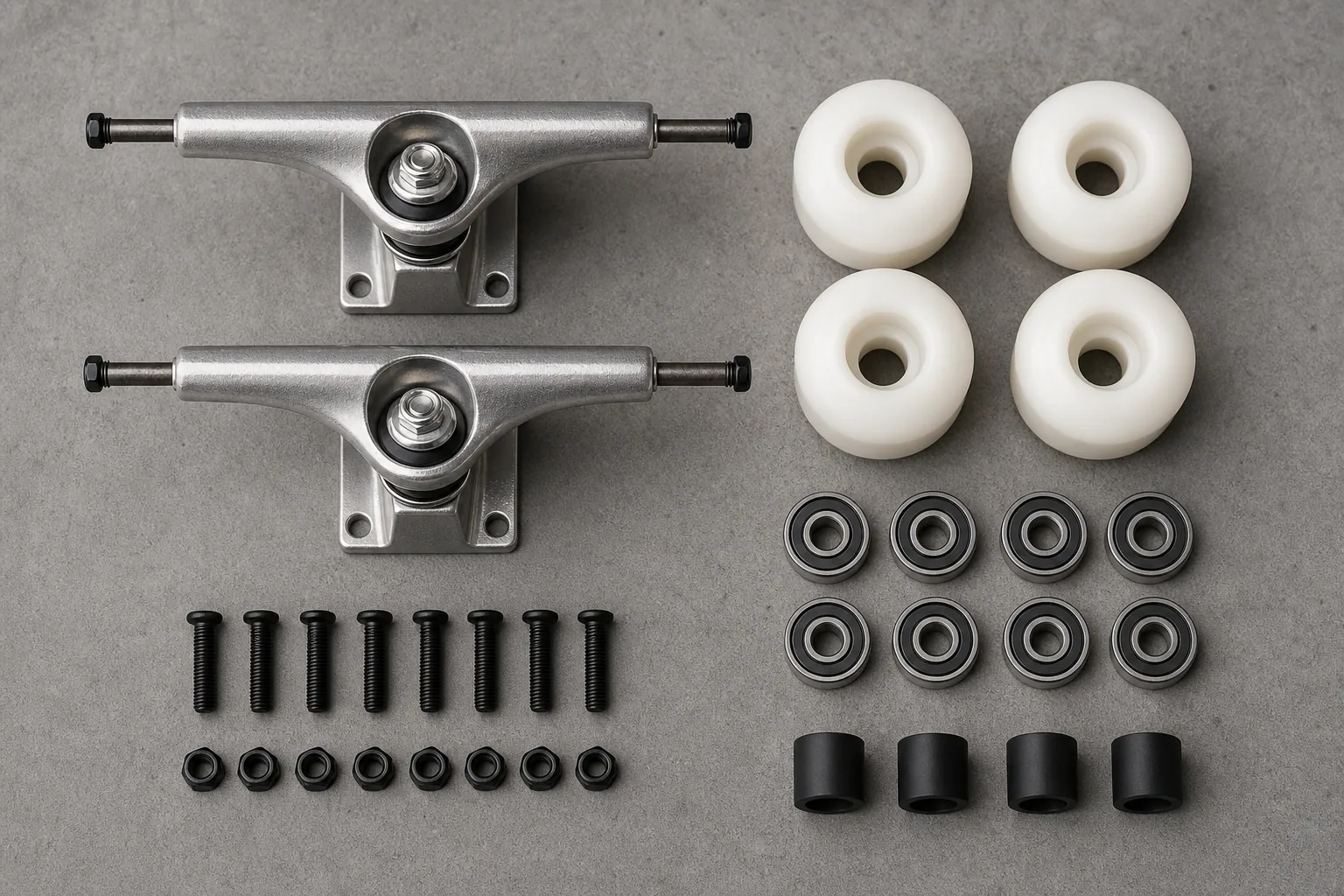
Skateboard parts are where budget brands usually cut corners — soft metal trucks, sluggish bearings, and wheels that flat-spot after a week. Minority Skateboards takes a different approach: keep individual components affordable while matching the specs intermediate riders expect when they start upgrading from a first complete.
Understanding each part helps you diagnose wobble, slow roll, or wheel bite before you blame your deck. This guide walks through trucks, bearings, wheels, grip tape, hardware, and risers — how they work together and when to replace them.
Aluminum truck basics
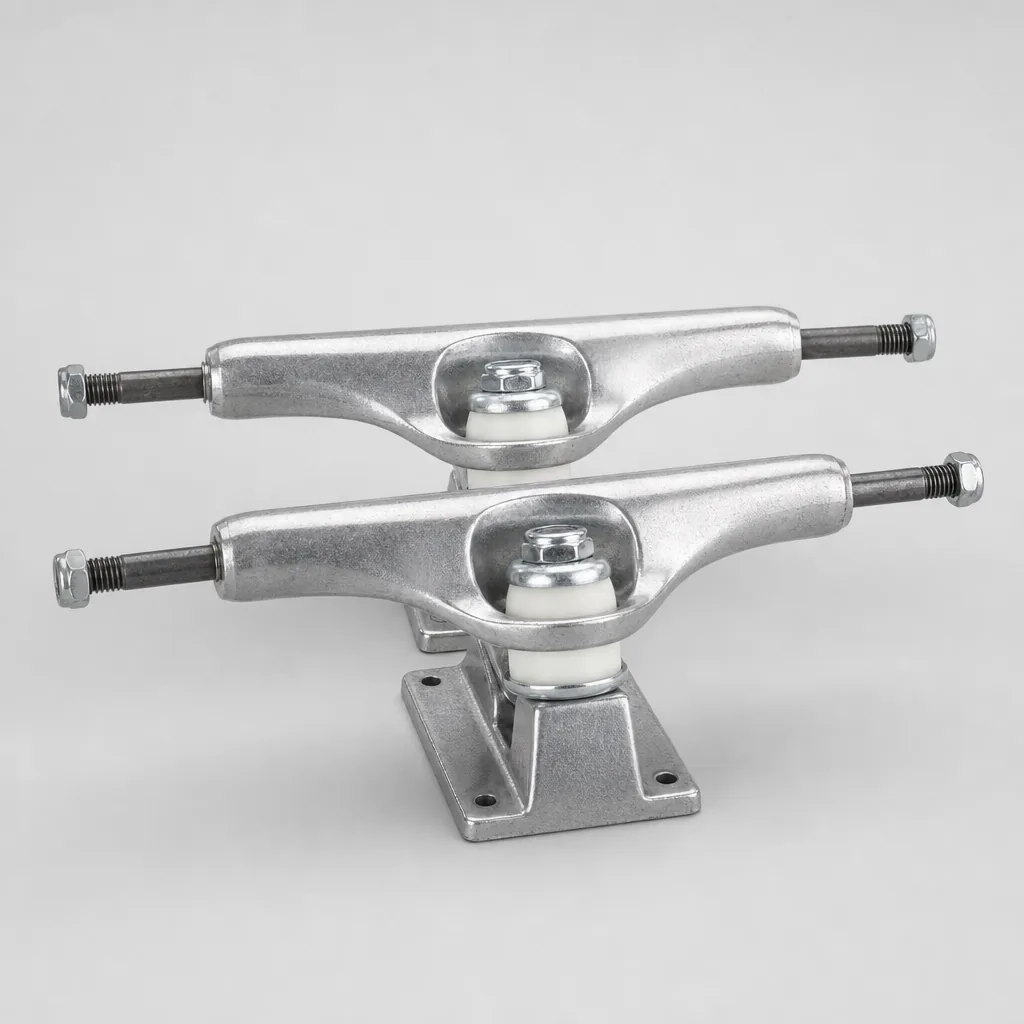
Trucks translate lean into turn. Minority aluminum trucks use standard hanger widths that match common 7.75- to 8.25-inch decks. The baseplate sits flush against the deck; the kingpin holds bushings that compress when you carve. Tighter kingpins feel stable for beginners; looser settings help advanced riders snap quick kickturns.
Replace trucks when hangers bend after heavy impact or when slop develops in the pivot cup. For most riders on Minority completes, stock trucks last many months of daily pushing before an upgrade makes sense.
ABEC-9 bearing guide
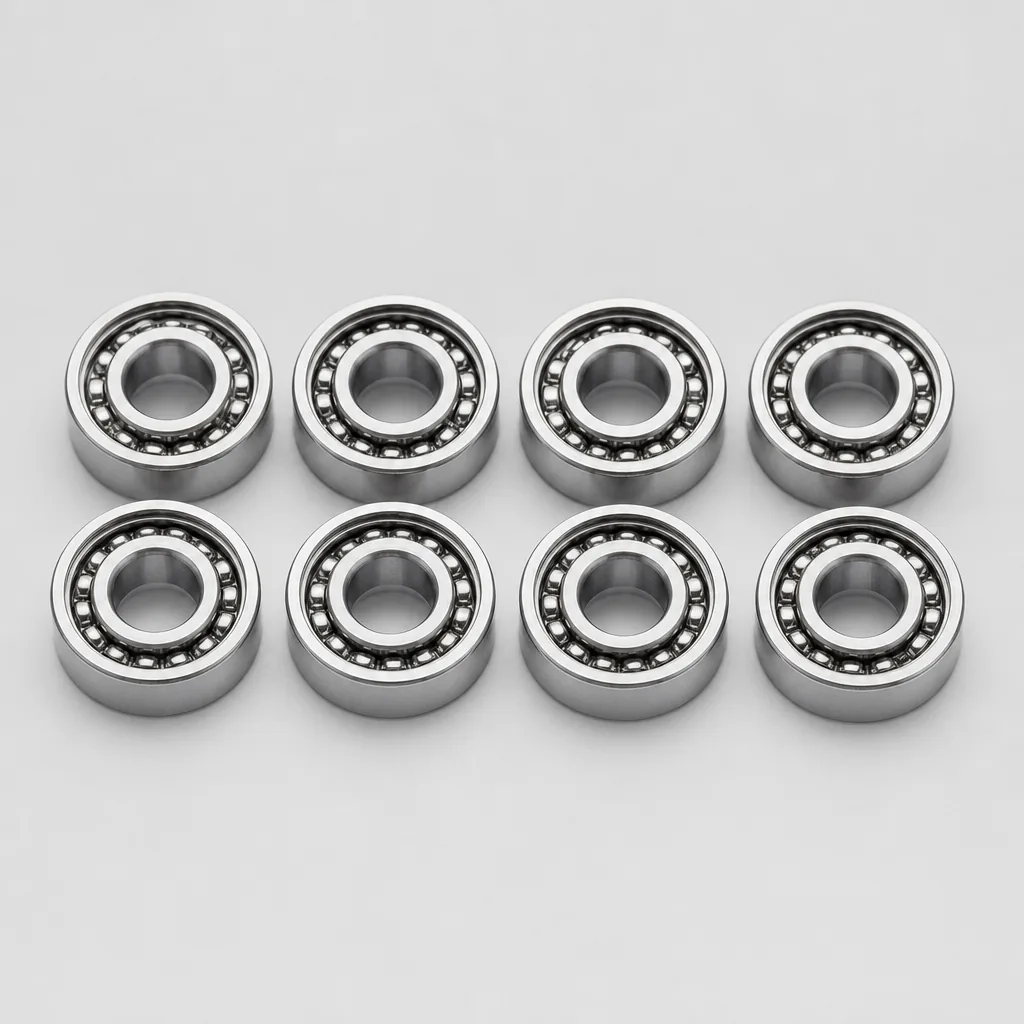
Bearings sit inside wheels and determine how freely they spin. ABEC-9 is a precision rating — not a magic speed label — but Minority bearings are spec'd for smooth roll on street and cruiser setups. Clean bearings with speed cream or light lubricant when roll slows; replace when rust or grit persists after cleaning.
Spacers between bearings help them seat evenly and reduce sideways stress during slides. If you hear grinding after wet sessions, dry and lube before assuming you need a full swap.
Polyurethane wheel choice
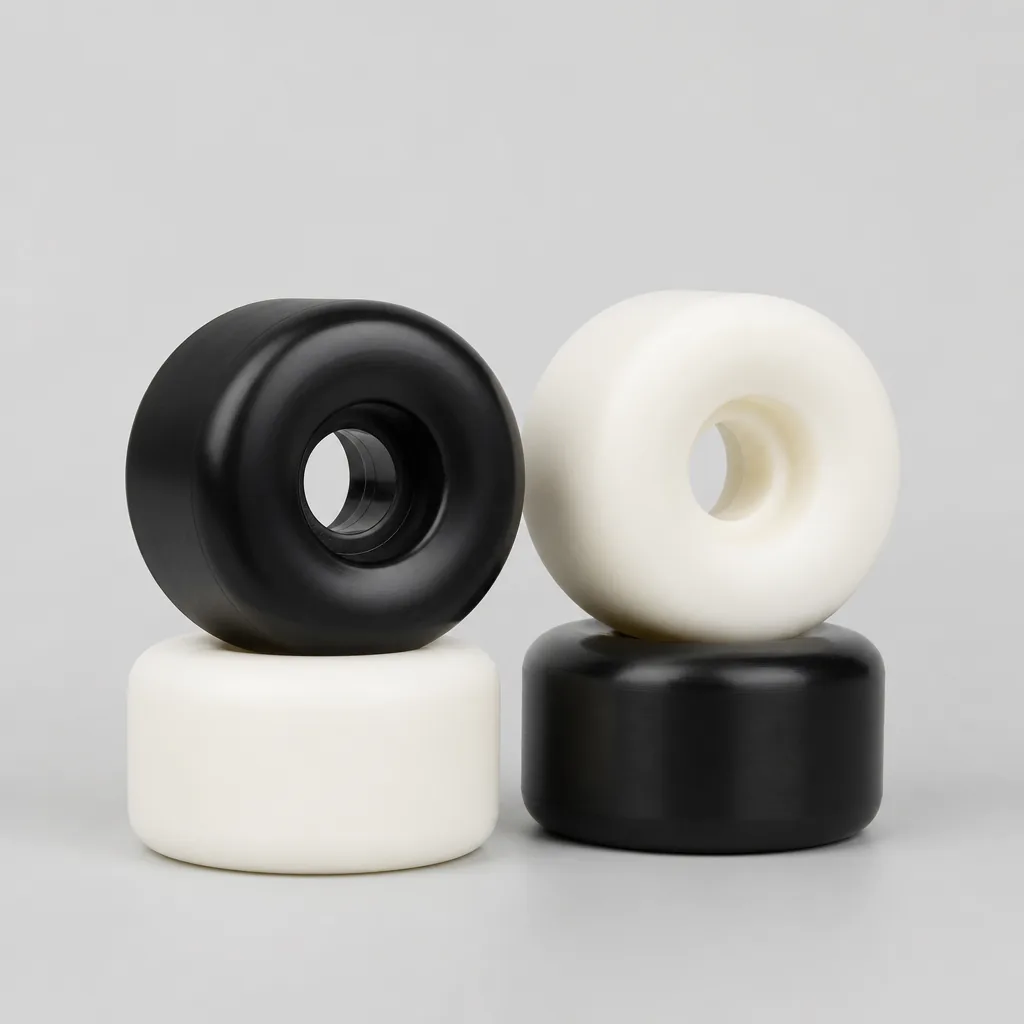
Wheel durometer measures hardness. Softer wheels (around 78A-87A) grip rough pavement and feel smooth for commuting. Harder wheels (99A and up) slide predictably for tricks and park concrete. Minority PU wheels use high-rebound formulas so they rebound after impacts instead of leaving flat spots.
Diameter matters too: smaller wheels accelerate quickly for street tricks; larger wheels roll over cracks for longboard and cruiser setups. Match wheel size to the deck you mount — consult our longboards page for 40-inch pairing notes.
Grip tape application
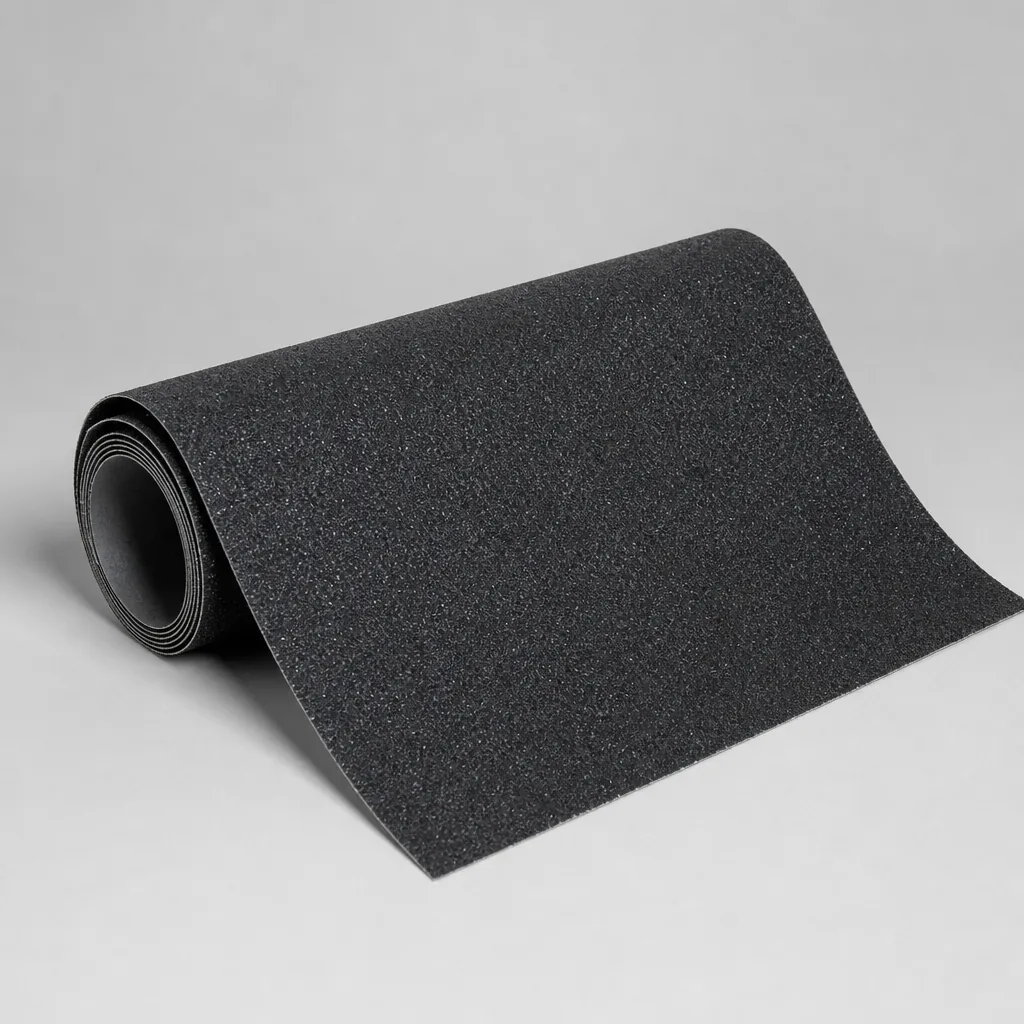
Grip tape is your connection to flip tricks and controlled foot placement. Minority sheets ship perforated to reduce bubbles during application. Lay from tail to nose, trim with a razor, and poke truck holes before mounting hardware. Replace tape when smooth patches appear or edges peel — worn grip causes slips that feel like bad balance.
Hardware and risers
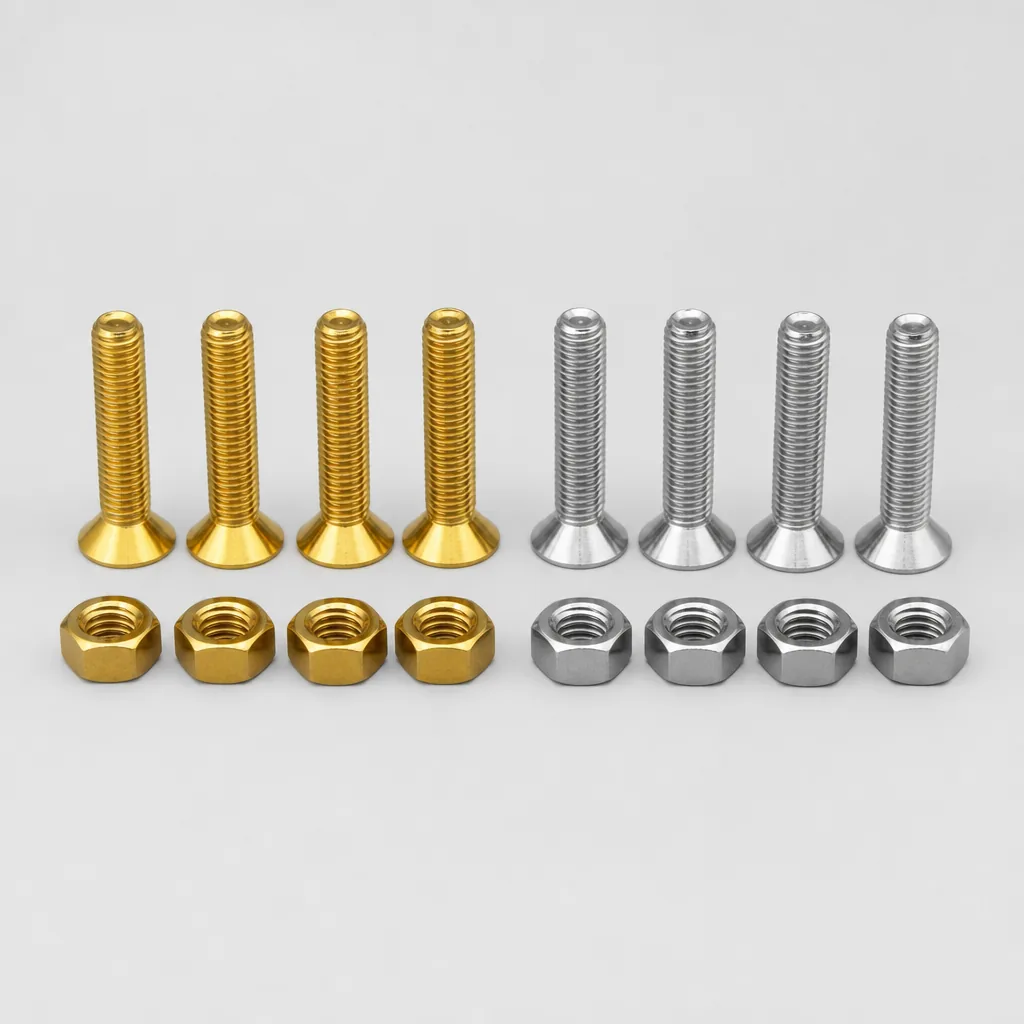
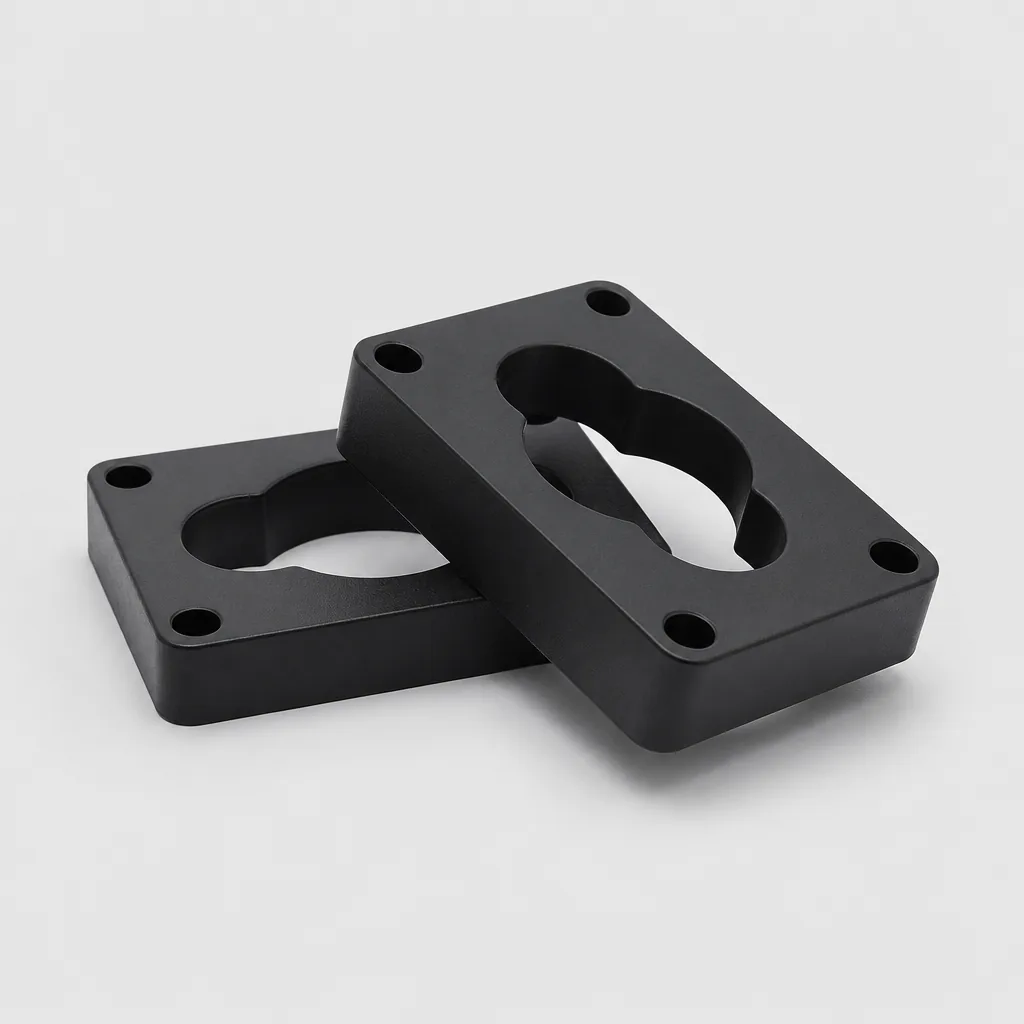
Mounting bolts must match deck thickness plus any riser stack. Minority hardware kits include nuts with nylon lock inserts so vibrations do not loosen trucks mid-session. Riser pads add height between baseplate and deck, reducing wheel bite when you lean deep on soft bushings or large wheels.
1/8-inch risers suit most street setups; 1/4-inch or more helps longboard carves and downhill lean angles. Always use bolts long enough to thread fully through the lock nut.
Build your progression
Start with a complete if you are new — see our homepage bestsellers for ready-to-ride options. As skills grow, swap one component at a time: bearings first if roll feels sluggish, then wheels for terrain changes, then trucks when you want sharper turning response.
Read rider reviews for real-world notes on how Minority parts hold up after months of commuting and park sessions. Visit the about page for brand context on maple deck construction that these parts bolt onto.
Maintenance schedule tips
Check truck bolts every few weeks — vibration loosens hardware on rough routes. Spin wheels monthly; if one stops early, inspect bearings for debris. Rotate wheel positions to even out wear, especially on commuter boards that always lean the same direction through turns.
Store boards indoors when possible. Rain does not instantly ruin maple, but bearings hate moisture. A dry towel wipe after wet rides extends part life dramatically without expensive tools.
Sizing reference table
Truck width should match deck width within a quarter inch when possible. An 8-inch deck pairs with 139–149 mm hangers depending on wheel size and riser stack. Wheels between 52 mm and 54 mm suit street tricks; 60 mm and above belong on longboard setups where wheel bite clearance matters more than flip clearance.
When ordering hardware, count riser thickness in bolt length. A standard 1-inch bolt works for many street stacks without risers; add a quarter inch of bolt length for each riser eighth you stack. Under-length bolts strip threads and feel like loose trucks even when kingpins are tight.
Street versus longboard
Street parts emphasize flip clearance and hard wheel slide. Longboard parts emphasize grip and roll speed over rough pavement. Minority sells crossover bearings and grip tape across both categories — swap wheels and trucks when you add a second deck instead of rebuilding from scratch.
Keep a small maintenance kit: skate tool, spare nuts, bearing lube, and rag. Ten minutes after wet rides saves bearings that would otherwise seize. Riders who commute daily report doubling bearing life with consistent wipe-downs alone.
Alex Rivera is a skate gear editor who has tested budget completes, commuter cruisers, and downhill setups for over a decade — focusing on hardware that helps new riders roll confidently without overspending.