
Minority Skateboards reviews rarely look like polished marketing quotes — they look like parent forum posts, commuter Reddit threads, and parking-lot conversations after beginners land their first rolling ollie. We synthesized recurring themes from those discussions: what owners praise after thirty, ninety, and one-hundred-eighty days of use.
No paid scores here — just patterns from riders who chose Minority because price and ready-to-ride convenience mattered.
Beginner complete praise
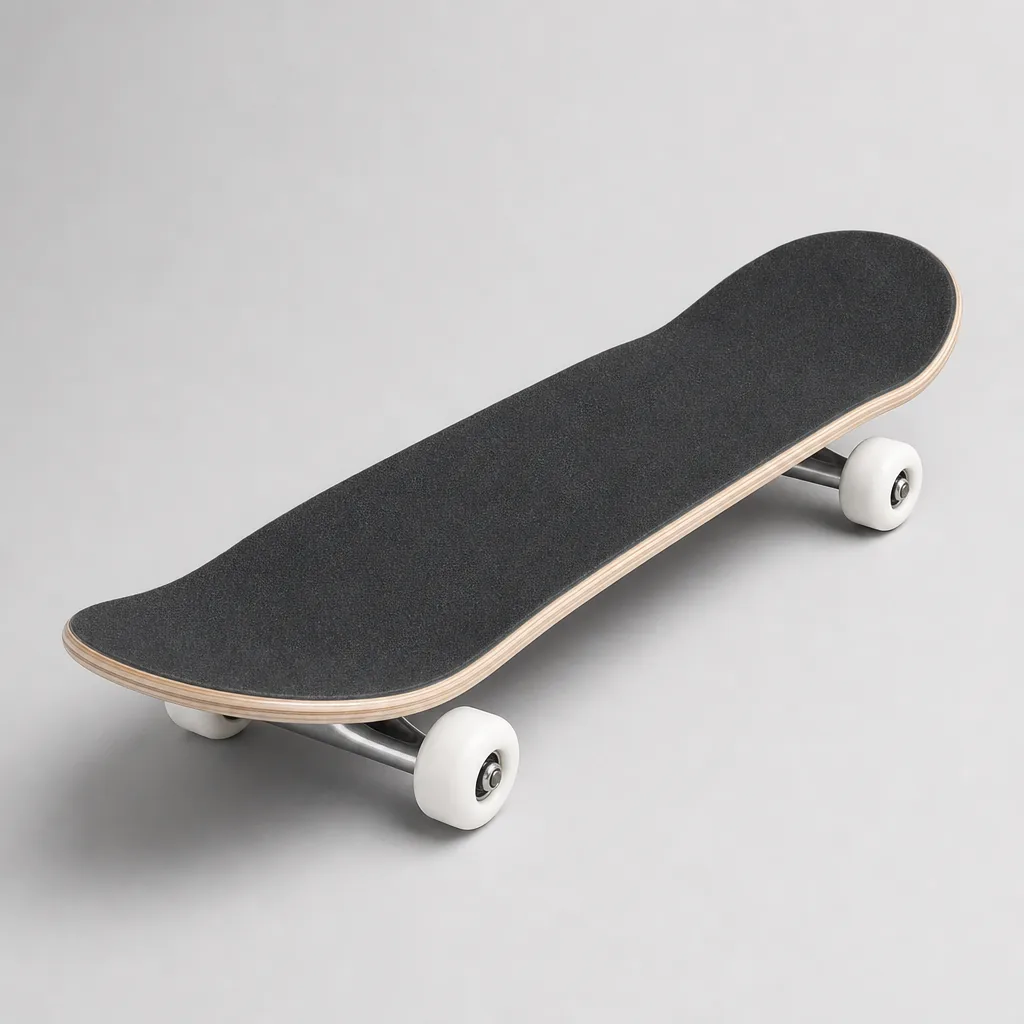
First-time buyers highlight same-day riding — grip applied, wheels seated, trucks tight enough to learn balance without speed wobble. Parents mention 220 lb weight ratings when buying for taller teens. Common tip: loosen trucks gradually as confidence grows.
Street deck durability
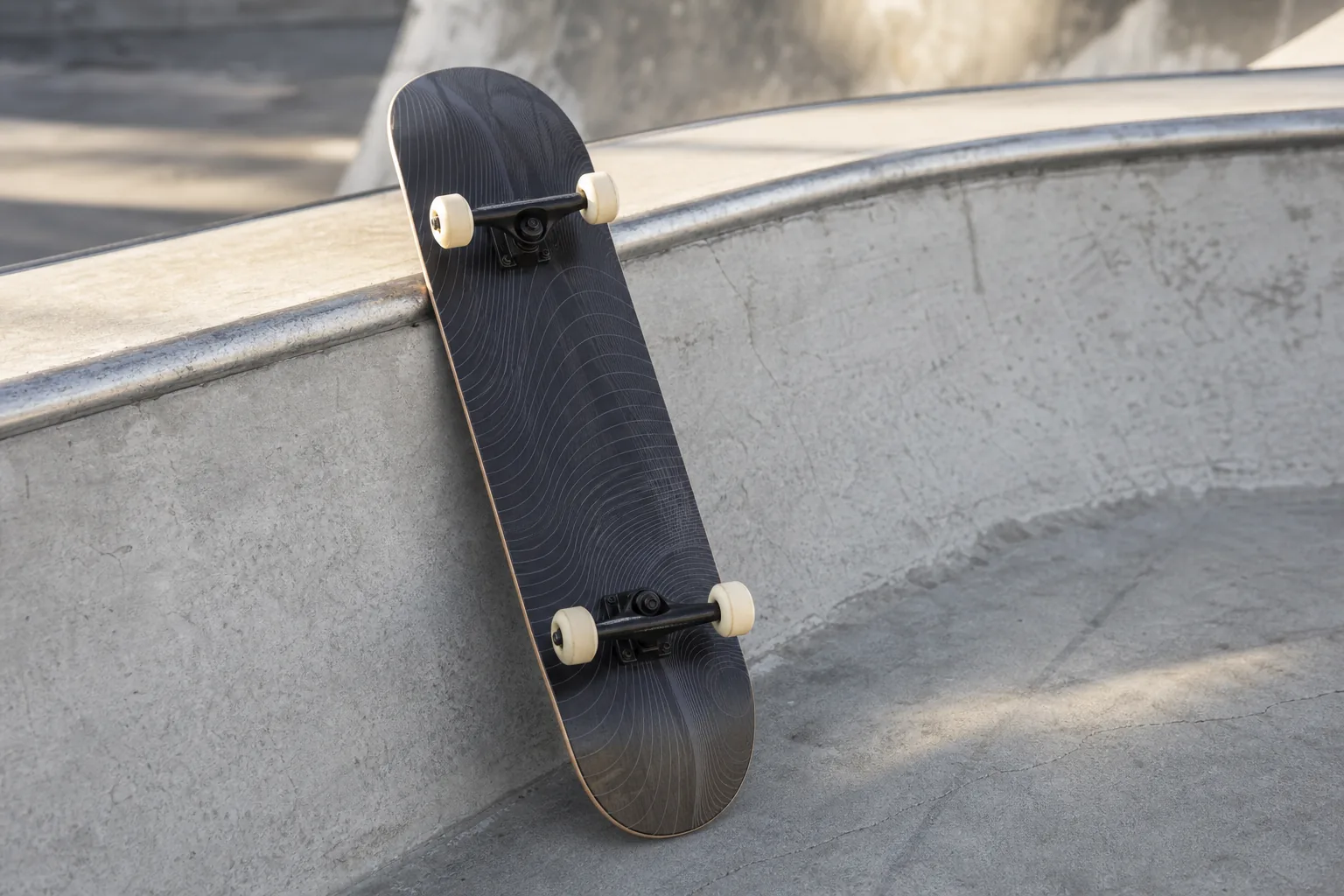
Intermediate riders report maple pop holding up after repeated kickflip attempts. Chips and razor tail appear — normal skate wear — but delamination complaints are rare in owner threads. Many keep the deck and swap wheels first.
Longboard commuter notes
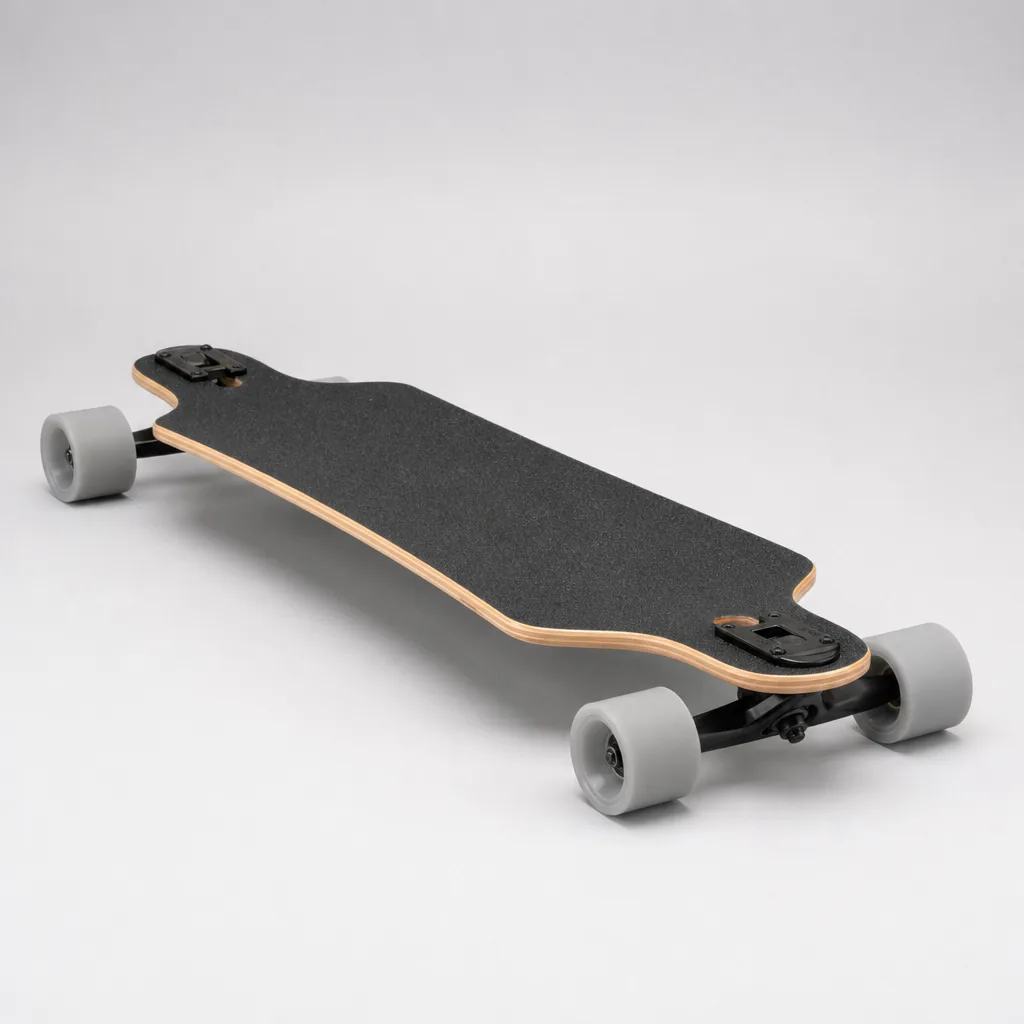
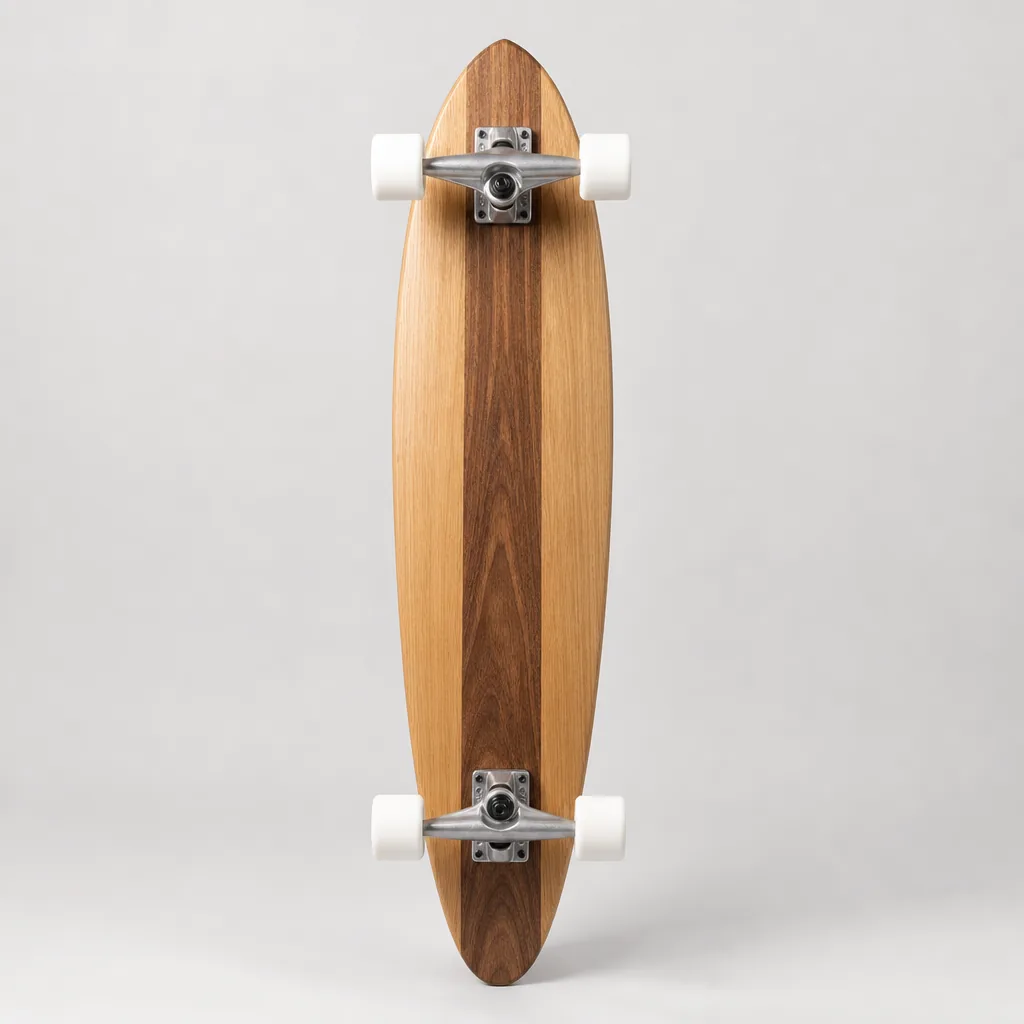
Drop deck owners praise low ride height for pushing long flats and bike-lane miles. Pintail fans accept less downhill stability in exchange for classic looks and relaxed carves. Both groups mention soft wheels smoothing rough asphalt.
Bearing performance themes
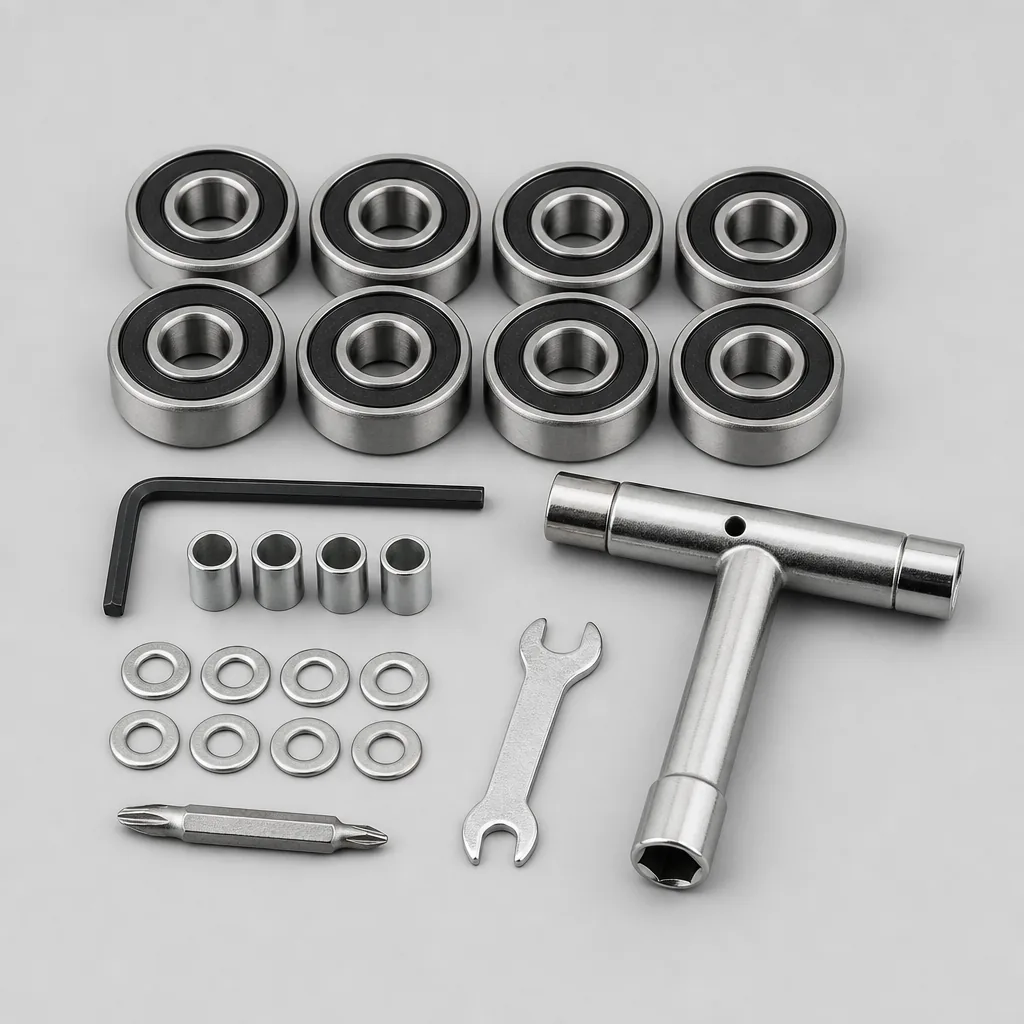
ABEC-9 bearings earn mentions when riders compare roll speed to older stock setups on other budget boards. Wet-weather riders who dry and lube bearings report months of smooth spin; neglected bearings obviously slow — maintenance matters more than rating labels.
Common critique patterns
Negative threads focus on expectations, not failures: advanced skaters want looser trucks out of the box; downhill experts outgrow flex on pintails. Solutions repeat — tune bushings, upgrade wheels, choose drop decks for speed. For the price tier, complaints about outright defects are relatively uncommon.
Gift buyer feedback
Gift givers appreciate clear complete packaging and recognizable graphics. Recipients in college towns use boards for campus mobility — a use case Minority leans into with cruiser and longboard lines.
Compare before you buy
Use our parts guide to plan upgrades, browse longboard options if commuting beats tricks, and read the brand story for construction context behind these impressions.
Share your experience
Logged serious miles on a Minority complete? Email hello@minorityskateboard.com with setup details — deck size, terrain, and months ridden. Honest feedback shapes future stock bushings and wheel durometer choices.
Three month check-ins
Owners who revisit forums after ninety days often report the same upgrade path: stock everything first, then bearings if roll slows, then wheels for terrain changes, then trucks if turning feels sloppy. Decks remain unless delamination or razor tail becomes unsafe. That pattern suggests Minority completes function as learning platforms rather than throwaway holiday gifts.
Regional terrain notes
Riders in humid coastal cities mention bearing maintenance more than inland riders. Desert riders praise soft wheels on heat-expanded asphalt cracks. Midwest owners talk about salt residue after winter — wipe-down routines matter everywhere, but local climate shifts which part fails first if you ignore care.
Versus other budget brands
Comparison threads often pit Minority against other entry completes. Recurring Minority advantages include maple deck labeling, ABEC-9 bearing spec transparency, and longboard options in the same brand ecosystem. Common trade-off: advanced riders want looser stock bushings sooner than on premium completes.
Price-to-performance ratio drives most positive reviews. Riders who expect pro-level tuning out of the box are disappointed; riders who expect a honest first complete for under a premium deck-only price tend to stay satisfied through the learning curve.
Alex Rivera is a skate gear editor who has tested budget completes, commuter cruisers, and downhill setups for over a decade — focusing on hardware that helps new riders roll confidently without overspending.